
Analysis of the agent control model in Claude Code
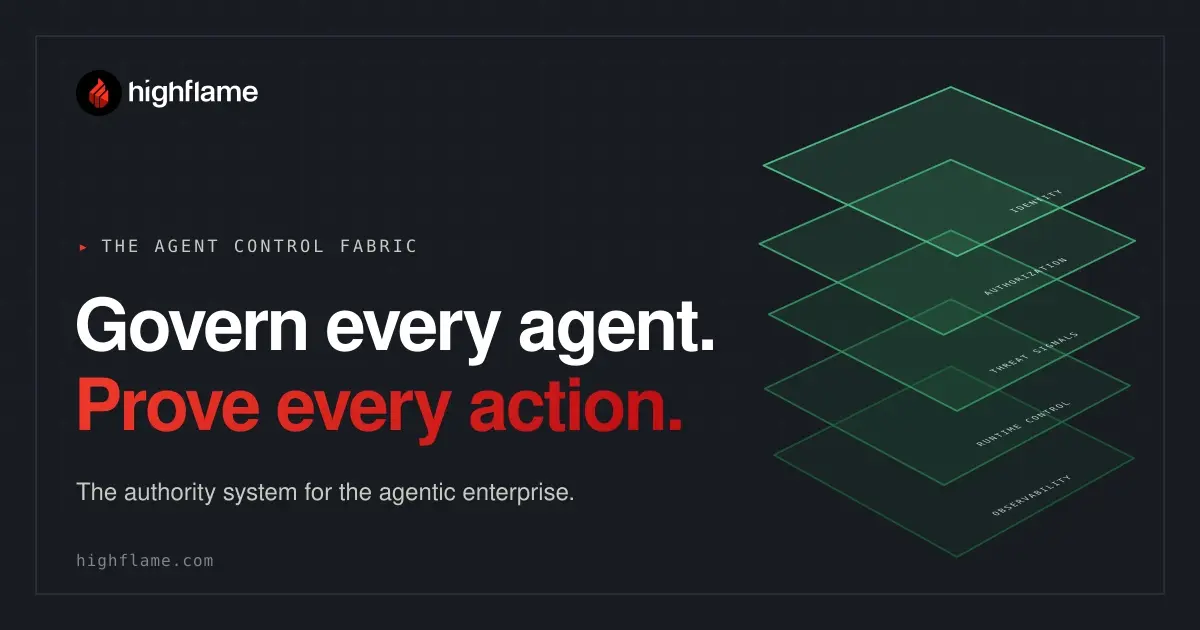
Anthropic has published an overview of how it constrains Claude Code and its sub-agents. The Highflame blog has broken down this architecture, demonstrating that the principles apply beyond the Anthropic stack.
There are four core pillars: each agent receives a distinct identity, authority is delegated to sub-agents with restrictions rather than inherited in full, access to tools is authorized per action, and every action is traceable back to the original principal.
The authors apply this model to heterogeneous agent sets, including Claude Code and Codex. The analysis focuses on the architecture rather than the product. The full text is available on the Highflame blog.
Related stories
- Letting Claude filter its own tool output took Opus 4.6 from 45.3% to 61.6% on BrowseComp
- Claude Code sessions can now talk to each other
- Claude Code has four kinds of agent loops: /goal, /loop, /schedule
- A hardcoded instruction in Claude Code 2.1.219 and 2.1.220 blocks Opus 5 from spawning sub-agents
- Claude integrates with Lovable
- Anthropic releases Claude Agent SDK for building AI agents
Comments
No comments yet. Be the first.
Join the conversation
Sign in with Google to leave a comment. Your name and avatar come from your Google profile, and the comment appears after moderation.