
Claude Code 2.1.243 uses your contracted model rates
Claude Code 2.1.243 adds a modelPricing managed setting that applies an organization's contracted per-model rates and discount multiplier to /cost, the status line and telemetry cost figures instead of list price. The change is one of ten additions listed in the 2.1.243 release notes on Github.
At a glance
- Two new settings, promptCacheTtl and subagentPromptCacheTtl, let API-key and cloud-provider deployments hold a one-hour prompt cache on the main conversation while subagents keep the five-minute default.
- A Loops breakdown in /usage reports per-loop run count, total tokens, tokens per run and last run, so runaway or chatty /loop tasks are easy to spot in a session.
- Native installs and auto-updates now download a zstd-compressed binary, roughly 75 MB instead of 340 MB on Linux x64, and native builds load code on demand for 40–70 MB less memory per session.
Cost reporting inside Claude Code has until now assumed public list rates, which made /cost and the status line of limited use to teams working under negotiated contracts. Reading rates from a managed setting appears aimed squarely at those deployments, and it arrives together with a sign-in path for organizations that block API keys outright. Much of the rest of the release reads as maintenance on install size, memory and reconnection behaviour, the areas that matter most in long-running sessions.
A keyless Console sign-in covers organizations that block API keys
The /login flow adds a keyless option under Anthropic Console: signing in with an existing Console account, marked as recommended, now sits next to creating an API key, so organizations that do not permit API keys can authenticate. A Skipped sources line in /status names managed settings sources present but not applied because a higher-precedence managed source is active.
Connectors on claude.ai whose authentication is managed by an organization carry a managed marker in /mcp and /plugins. The new modelPicker setting curates the /model picker with an ordered, labeled list of models in any id spelling, including Vertex and Bedrock ids.
/model, /fast and /effort now run immediately on Bedrock, Vertex and Foundry, and when telemetry is disabled, instead of queueing until the turn ends. In CI, workload identity federation shares the exchanged token between processes in one job rather than re-exchanging a single-use token, and a rejected exchange fails fast with the server's message.
Sandbox and MCP bring-up no longer block the first frame
Startup work was reorganized: sandbox and MCP bring-up no longer block the first frame, bare launches skip subcommand registration, and workflow discovery, settings and trust-store work is cheaper. The release notes group these as a single startup time improvement, alongside changes to how the binary is packaged.
The native install and auto-update download is now zstd-compressed, about 75 MB instead of 340 MB on Linux x64, and the binary itself is roughly 2 MB smaller in this release after the bundled skill and prompt text were stored more compactly.
Native builds load code on demand instead of keeping the whole bundle resident, which the release notes put at roughly 40–70 MB less memory per session. Peak memory in long-running sessions also falls, because the runtime garbage-collects sooner as the heap grows.
Remote MCP servers now reconnect in -p and SDK sessions
Remote MCP servers in non-interactive (-p) and SDK sessions never recovered from a dropped connection; they now reconnect automatically or report as failed. MCP server sign-in started from the desktop app no longer fails with an invalid redirect URI error on servers that support client ID metadata documents, Linear among them.
Auto mode stayed unavailable at startup when a temporary server-side disable had been cached and later flag fetches failed, and its tool calls were denied as temporarily unavailable after about a minute of waiting when the API was briefly overloaded and asked the client to retry.
Sessions that fell silent for 10 minutes or more when the Anthropic API never starts a response now time out after roughly three minutes, retry once, then report API Error: No response from API. The /resume picker, previously capped at the 50 most recent sessions, loads more while scrolling.
Sonnet 5 loses its promo label
The /model picker and the bundled claude-api skill now show Sonnet 5's $2/$10 per Mtok as the model's standard list price rather than a limited-time promotional rate, and the release notes give no date for further pricing changes beyond this one.
The sandboxed Bash tool prompt no longer lists allowed network hosts, so Claude attempts requests instead of assuming unlisted ones are blocked. On macOS, computer use now requires granting Finder through the access dialog before clicking the desktop, the Dock or a Finder window.
Up next
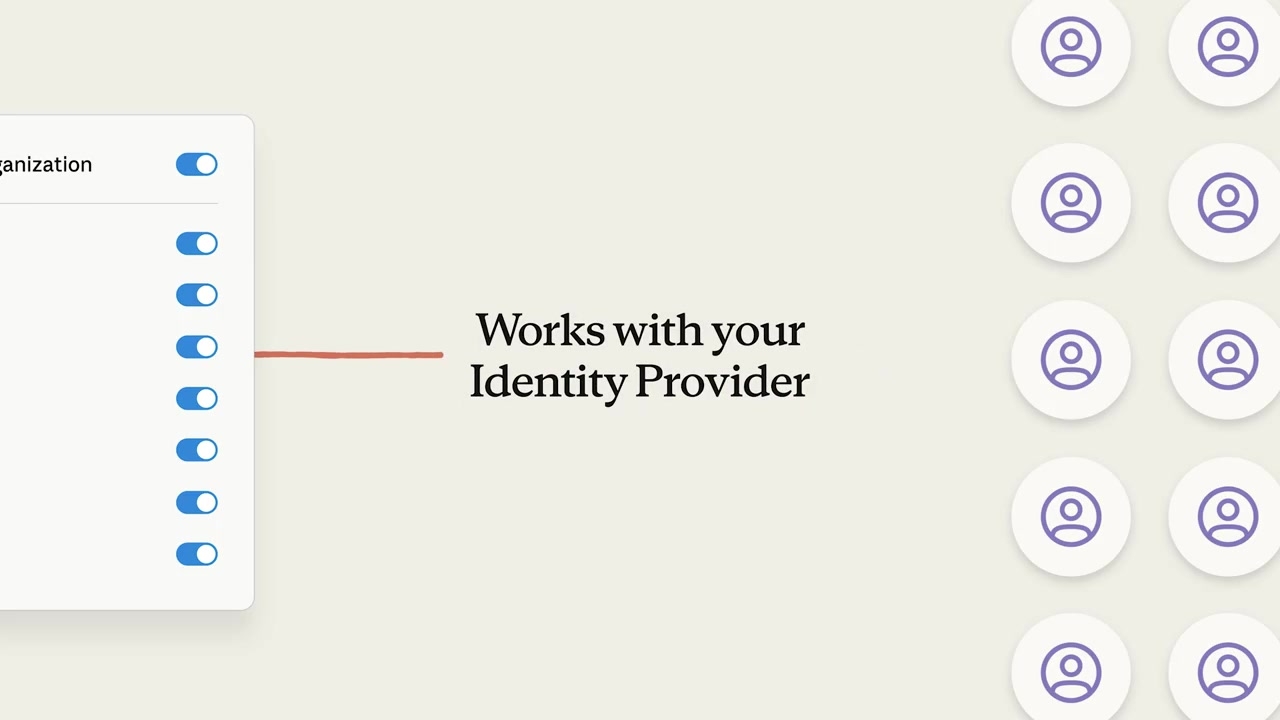
Enterprise auth for MCP connectors is GA in Claude, Video
An admin wiring Slack or Notion into Claude can route the authorization through the company identity provider, and users get those tools connected without clicking through OAuth themselves.
Related stories
- --restricted strips code execution from Claude Code 2.1.248
- Claude Code 2.1.246 flags wildcard Bash allow rules
- Claude Code 2.1.239 prices the data-residency premium
- Claude Code v2.1.237 adds a Concise output style
- pxpipe hides text in PNGs to cut token costs by up to 70%
- CCLimitPing automates the 5-hour Claude Code window
Comments
No comments yet. Be the first.
Join the conversation
Sign in to leave a comment. It appears after moderation.