
Anthropic's seven founders will steer one 50.1% share
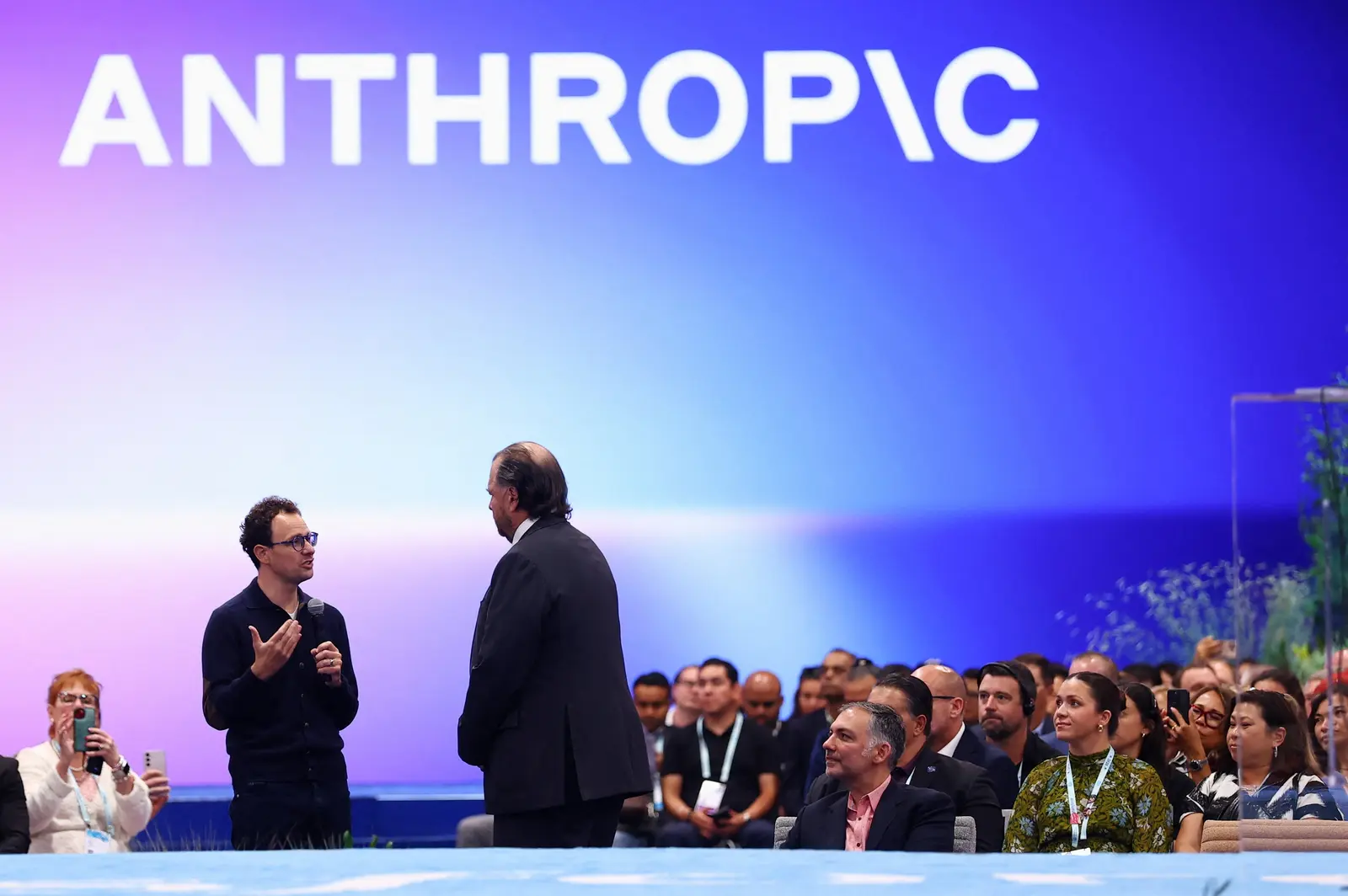
Anthropic's IPO filing, as reported by Reuters, gives one share of stock 50.1% of the company's total voting power, and seven people will decide by majority vote how it is cast. Those seven are Anthropic's co-founders, CEO Dario Amodei among them, and they will hold the share through a new vehicle called the Founder LLC.
At a glance
- Anthropic will remain a Delaware Public Benefit Corporation after its IPO, while a new Founder LLC made up of its seven co-founders controls a majority of votes on key corporate matters.
- The Class F share carries 50.1% of voting power, Class F and Class A holders jointly elect three directors, and the Long-Term Benefit Trust elects the remaining four.
- The filing itself warns that decisions under this setup may conflict with financial interests and hurt Class A stock, and the founders' extra votes only begin to sunset once two or fewer remain.
If you have not followed Anthropic's governance, here is the short version. The seven co-founders left OpenAI together in 2020 and still vote as a bloc. The company already runs as a Public Benefit Corporation with a second layer on top, the Long-Term Benefit Trust. Anthropic describes the trust as five financially disinterested members who can select and remove a growing portion of the board, ultimately a majority.
One Class F share carries 50.1% of the vote, and seven founders decide how it is cast
The Founder LLC starts with the seven co-founders, whom the filing calls people "distinctly equipped to be stewards of our mission." Besides Dario Amodei, the group includes his sister Daniela Amodei, the company's president; Chief Compute Officer Tom Brown; and Chris Olah, who leads key research and recently met with Pope Leo.
A majority of the seven directs one Class F share worth 50.1% of total voting power on key matters, including electing some board directors and other questions put to investors. Anthropic has four other share classes with various functions or limits, among them minimal voting rights for strategic partners. Class A common stock, the class everyday investors will buy, gets one vote per share.
Daniela Amodei also chairs the board. After the IPO, Class F and Class A holders will elect her, her brother and one director not yet named. The Long-Term Benefit Trust picks the other four, and its current trustees include former Federal Reserve Chair Ben Bernanke and national security expert Richard Fontaine. The Information first reported some details of the structure earlier in September.
The filing says the structure may cost Class A holders money
The prospectus is blunt about the trade-off. It says the setup could lead to decisions "that may conflict with short-, medium-, or long-term financial interests and business performance, which may negatively impact the value of our Class A common stock." Among its advantages it lists "a culture that promotes a low-ego, truth-seeking environment, where frontier AI capability and safety are mutually reinforcing."
The filing also cites times the lab held back. Anthropic set up a limited access program for Mythos Preview, a model that was particularly powerful for cybersecurity. "Similarly, we have chosen not to develop certain commercially attractive offerings, such as image and video generation models, in order to direct our compute toward our research and safety priorities," the filing states.
The record is not one-directional. According to BigGo Finance, Amodei published a piece earlier in September urging AI labs to slow development, yet Anthropic released Opus 5.5 on September 22 and Sonnet 5.5 on the Monday of the filing.
Founders can be removed for four reasons, and control fades once two are left
The filing discloses pay. Dario Amodei made nearly $18 million in 2025, mostly through stock and option awards. Daniela Amodei was the second-highest paid executive at $16.4 million. The co-founders pledged to give 80% of their personal Anthropic equity to charitable causes.
The filing also covers what happens if the group breaks up. A co-founder can be removed from the Founder LLC for having quit, died, sold too many shares, or for "cause." Once only two or fewer co-founders or their successors remain, the Class F voting power starts to sunset and a transition period begins.
Reuters sets this against recent examples. SpaceX's recent IPO concentrated power with its CEO, Elon Musk, while Anthropic spreads it across seven executives. Anthropic has done business with both SpaceX and Meta. In August, Meta agreed to pay up to $18 billion to resolve children's safety concerns after years of pushing back against shareholder activists, and Tesla shares swing with Musk's social-media posts.
What does a 50.1% share take away from ordinary shareholders?
Mostly, it takes away the power to force change. According to Finimize, shareholders' main checks are swapping directors, backing activist campaigns or pressing for a sale, and those work best when votes are contestable. Picture a housing co-op where one household casts the majority vote: other residents can still speak at meetings, but they cannot outvote it. Finimize adds that the IPO price may need to make up for those missing levers.
Anthropic's own case for custom governance points the other way. Under default corporate law, it has argued, "all the key mechanisms of accountability in corporate law push directors to prioritize the financial interests of stockholders," while AI may create unprecedentedly large externalities that default governance does not serve. As a PBC, Anthropic's leaders are formally allowed to weigh investors' interests against those of the rest of humanity.
BigGo Finance calls the 50.1% figure "high by U.S. listing standards but not without precedent." By its count, the prospectus body runs 261 pages, roughly 80 of them on risk factors against 48 on the business. SpaceX used about 38 risk pages in a 277-page filing.
The triggers are vague, at least in the parts of the filing reported so far. Nothing defines "cause," says how many shares count as selling too many, or sets a length for the transition period. In our view, tying the sunset to the group rather than to Dario Amodei alone is the most defensible part of the design, because the extra votes depend on the bloc staying together, not on one person's staying power.
What Class A buyers will price in
The reported details give no listing date or share price, and the third board director has not been named. According to ctech, Anthropic is expected to seek a valuation above $2 trillion, up from the roughly $965 billion it estimated for itself in May. It expects to spend $518 billion on cloud, compute and infrastructure obligations. In 2025 its revenue rose roughly twelvefold to nearly $4.6 billion, with an operating loss above $8 billion.
Related stories
- Anthropic's IPO filing warns its models may resist shutdown
- Anthropic's Akamai bill could reach around $20 billion
- Trump adviser's memo puts Amodei at the root of EA
- Amazon's new plugin runs a seller's store from Claude
- Fears of AI apocalypse crashed into Anthropic's $2T IPO
- At least $1B for outside evaluators inside Anthropic
Comments
No comments yet. Be the first.
Join the conversation
Sign in with Google to leave a comment. Your name and avatar come from your Google profile, and the comment appears after moderation.