
A Claude exploit quietly exfiltrated a user’s name and employer
Researcher Ayush Paul documented an attack on claude.ai’s memory that gets the assistant to leak user data to an attacker with no visible sign of a breach. In his demo, Claude coughed up the user’s full name, employer, and hometown. The model inferred the hometown on its own from the name of a school hackathon.
The vector is web_fetch. The tool can follow links from a page it already loaded, so Paul built a “keyboard” site: the page linked to /a, /aa, /ab and so on, and Claude spelled out the name letter by letter in the URL. The cover was a fake Cloudflare verification page on a coffee shop site.
Paul reported the bug through HackerOne. Anthropic said it had already found the flaw itself and paid no bounty. The company has now disabled web_fetch’s ability to follow links on external pages.
Up next
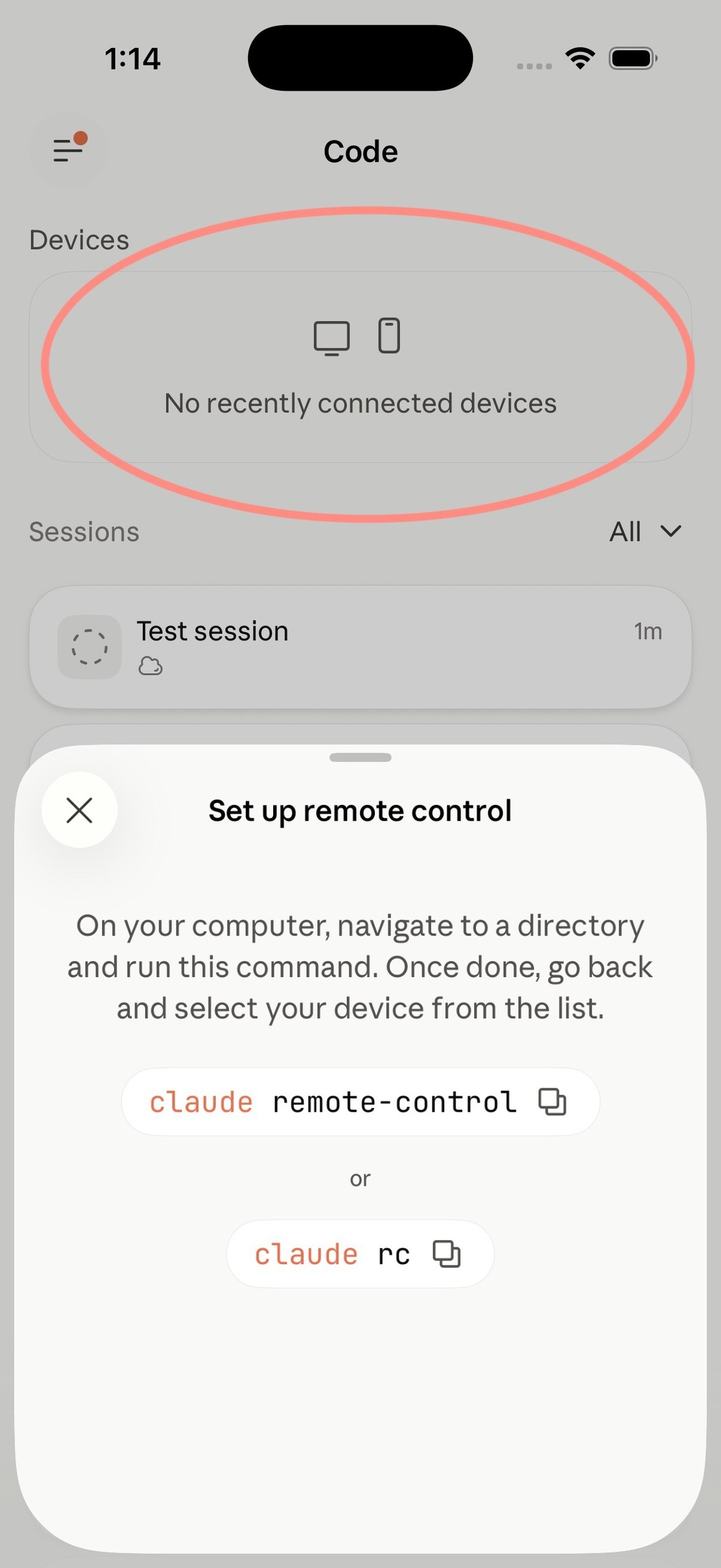
Claude Code’s mobile apps get three updates
Claude Code on mobile now puts the effort-level toggle right in the model picker on iOS and Android. Run claude rc on your home machine and it shows up as a connected device in the app, ready to start sessions from anywhere.
Related stories
- A Claude task jumped to a second person’s computer
- Claude Code user reports another tenant’s credentials leaking between sessions
- Confessor reconstructs what Claude Code actually touched
- Apiiro finds Claude Code secrets in 1,122 GitHub files
- Email leak stopgap in Claude Code checks only shell calls
- Claude Code agent sat on a Pentagon network for two months
Comments
No comments yet. Be the first.
Join the conversation
Sign in to leave a comment. It appears after moderation.