
Claude Code Ultra week measured at 17B Opus cache reads

Atlas-ade’s Claude Code field guide, published November 12, translates the plan usage meters into tokens and puts one week on the Ultra plan (formerly Max 20x) at 17 billion Opus cache-read tokens. That is roughly $1,200 to $3,700 of Opus 5.5 at API list prices, depending on which tokens you spend. On Ultra, cold caches cost the most: at 800k tokens of context, one Opus turn that rewrites the cache costs about 23 times a warm one.
Only Ultra was measured, on one account’s long agentic coding, and the model was last checked against a live meter on October 29. To build it, Atlas-ade set its OpenTelemetry records of every request against the usage Claude Code reported and fitted per-token weights, starting from rates u/flobernd measured. Its weekly totals land within about 2 points of the live meter. The guide’s Pro and Max figures are derived from the Ultra measurement and should be read as estimates.
Where cold turns come from
A warm turn reads the conversation from cache. A cold one has to write all of it again, and that happens after a long pause, a compaction or a model switch. For one Opus turn that produces 2,000 output tokens, the guide gives these costs:
- 200k context, warm cache: 0.004% of a week, about 24,000 such turns
- 200k context, cold cache: 0.046%, about 2,200 turns
- 800k context, warm cache: 0.008%, about 13,000 turns
- 800k context, cold cache: 0.176%, about 570 turns
At 200k a cold turn already costs about 11 times a warm one.
The lever the guide points to is the cache TTL, how long a written cache stays readable. On a plan, Claude Code keeps the main conversation’s cache for an hour, but subagents get five minutes unless you set their TTL. On an API key it uses five minutes unless you change it, and five-minute writes cost less at API prices.
What 1% of a week buys
Every request spends four kinds of token, and the meter weighs them very differently. On Ultra, each of these amounts on its own moves the weekly meter by 1%:
- Output: 660k Opus tokens, about $13 at API prices
- Input: 3M Opus tokens, about $12
- Cache read: 170M Opus tokens, about $35
- Cache write: 4.6M Opus tokens, about $37 at the one-hour price or $23 at the five-minute price
Output is the dearest token on the meter, though output is also the least certain part of the fit; cache reads, where the plan gives the most against API pricing, are the figure it pins down best. Whether small cache writes count is still open, so the guide’s calculator shows two figures wherever that question changes the result.
The same 1% buys more Sonnet, by an estimated weight (1.1M output, 5M input, 290M cache-read and 7.7M cache-write tokens), and much less Fable 5.1, also an estimate (160k, 700k, 41M and 1.1M). Fable 5.2, released November 9, is 20% cheaper than 5.1 at API prices, but its plan weight hasn’t been measured yet.
Plans and the five-hour window
The weekly meter is the budget: 100% is one week’s allowance, and it resets once a week. The five-hour meter is a speed limit inside that week on Pro and Max. Ultra has had no five-hour limit since October 31 on verified accounts. Before that change, the same work moved Ultra’s five-hour meter about 3.96 times as far as its weekly meter, so a full five-hour window came to about 25% of a week.
- Pro, $20 a month: 1.7B Opus cache-read tokens a week, 220M in one five-hour window
- Max (formerly Max 5x), $100: 8.7B a week, 1.1B per window
- Ultra, $200: 17B a week, no window limit
Pro and Max are scaled from Ultra using the plan-size ratios in u/flobernd’s subscription cost model. On those figures Ultra’s week is about twice Max’s, while before October 31 its five-hour window was about four times Max’s. In September, one team’s tally of pooled subscriptions put Max 20x at about 1.5 times Max 5x in weekly capacity.
Headless runs
Claude meters a request by where it came from, u/flobernd found, so claude -p and the Agent SDK are metered differently from interactive sessions. One public measurement over three Ultra accounts, taken before the five-hour limit was lifted there, found headless work moved the five-hour meter about 1.5 times as far (claude-usage-tracker). On Pro and Max that cuts both ways: a headless run of the same work reaches the five-hour limit sooner, while it moves the weekly meter much less.
Interactive work in Atlas-ade’s own data showed no weekday peak-hours effect. Its weekly figures include some headless use, so for purely interactive work they may read slightly low.
Up next
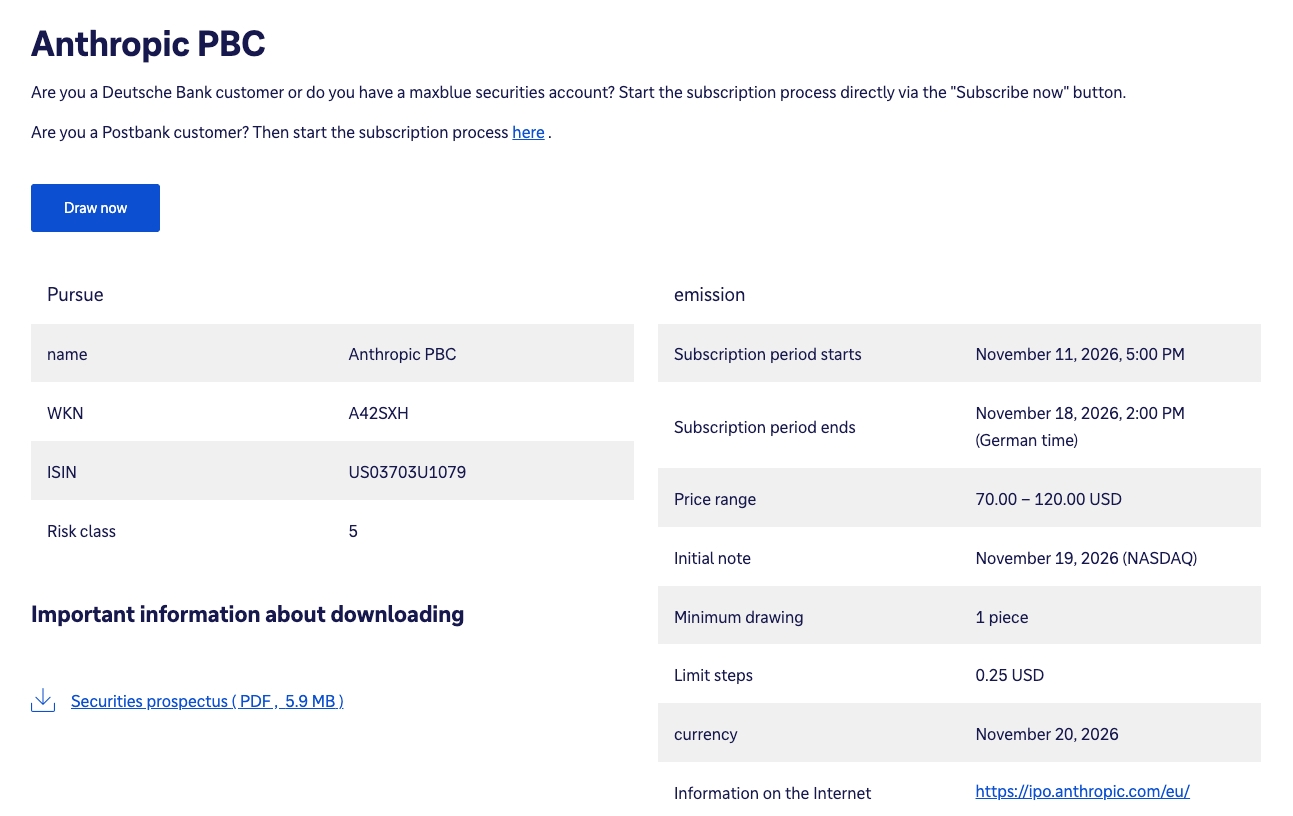
Anthropic’s $120 Europe cap tops its $70-78 IPO range
$120 a share looks like Anthropic’s IPO price, but it’s the cap in the European prospectus, set above the $70-78 range so European and Swiss retail can still get in. When an IPO opens to retail, is your habit to request shares or wait for trading?
Related stories
- Max20x buys only 1.5x of Max5x, says one team’s tally
- Claude limit meter may charge 1.4x more in US mornings
- Claude Max subscribers are auditing Anthropic’s meter
- cc-limit-pacer drops Claude Code a model tier before lockout
- A turn at 141 costs 2.1x a turn at 20 in Claude Code
- memsaga gives Claude Code’s memory files a git history
Comments
No comments yet. Be the first.
Join the conversation
Sign in to leave a comment. It appears after moderation.