
Claude Cowork sandbox bypass allows root code execution

Researchers at Armadin identified a bypass in the security boundary of Claude Cowork for Windows, version 1.9255.2.0. A flaw in the signature verification and RPC request handling allows an attacker to escape the Ubuntu virtual machine isolation.
The attack involves replacing the USERENV.dll library in the application directory to execute code as the signed claude.exe process. Sending a JSON request to the cowork-vm-service with the isResume parameter triggers a process with root privileges, while the nsenter utility allows a full escape from the bubblewrap container. The allowedDomains parameter disables network filtering.
Anthropic does not classify this as a security vulnerability. The company maintains that the exploit chain requires the attacker to already possess local code execution rights on the host machine.
Up next
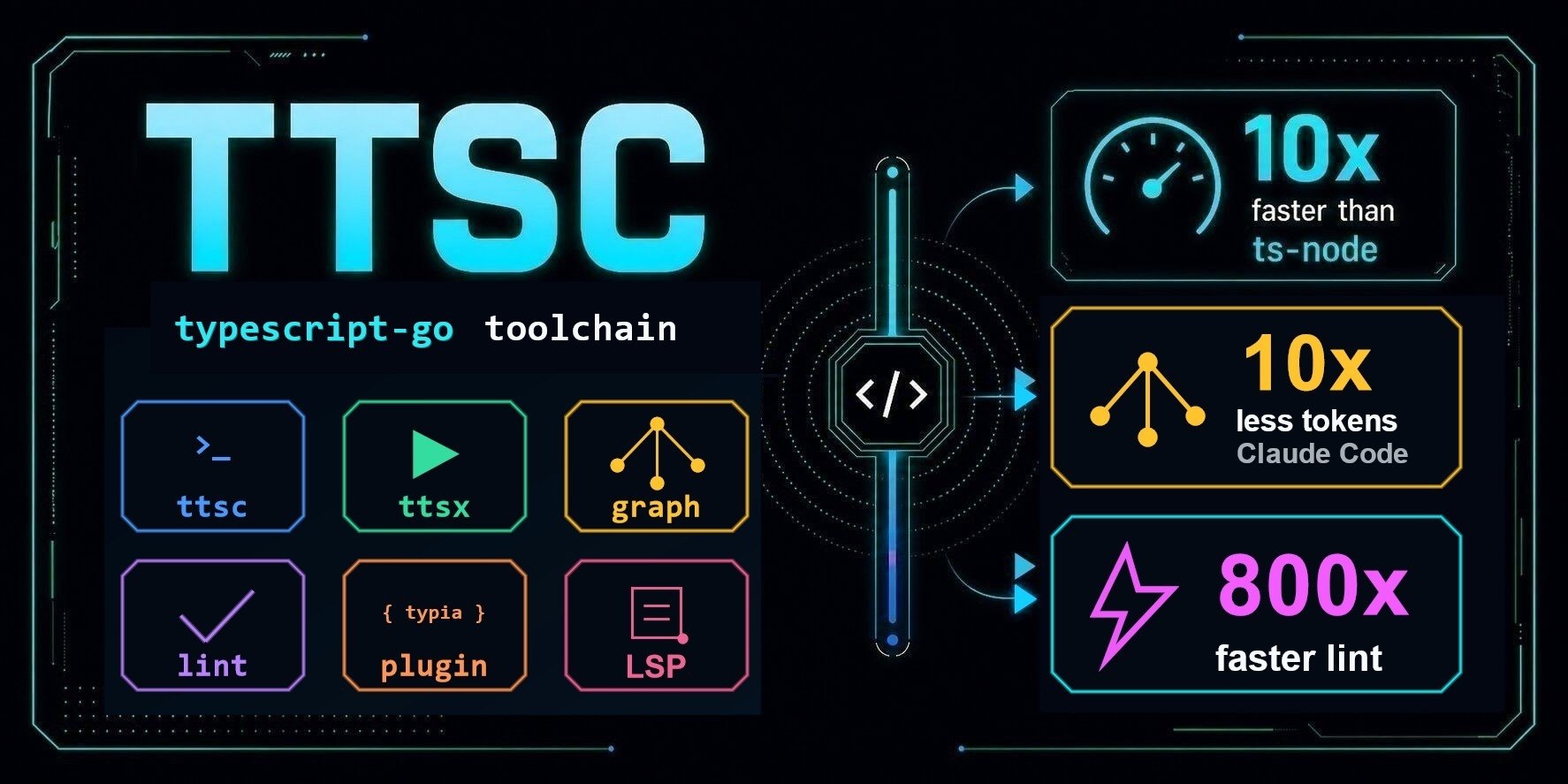
@ttsc/graph reduces token usage in Claude Code by approximately 10x
The @ttsc/graph MCP server feeds Claude Code a compiler-accurate graph of your TypeScript project. By mapping calls and dependencies rather than traversing individual files, it cuts token usage by roughly 10x for structural queries. It provides signatures and spans without pulling in full function bodies.
Related stories
- A Claude sandbox memory dump yielded a valid Google token
- SharedRoot: escaping the Claude Cowork sandbox on a Mac
- Claude Desktop turned into a C2 agent via configuration poisoning
- Apiiro finds Claude Code secrets in 1,122 GitHub files
- Email leak stopgap in Claude Code checks only shell calls
- Claude Code agent sat on a Pentagon network for two months
Comments
No comments yet. Be the first.
Join the conversation
Sign in to leave a comment. It appears after moderation.